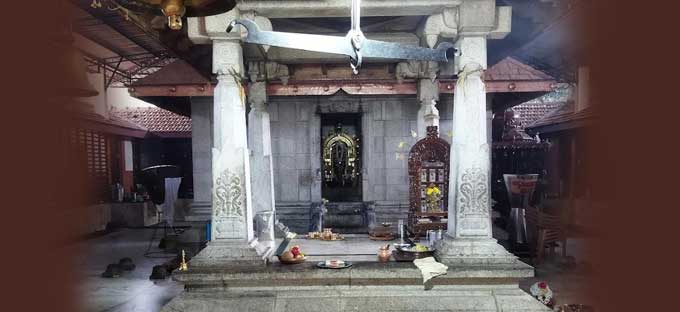
About Sri Vasuki Subrahmanya Temple, Maangodu
The Maangodu Sri Subrahmanya Temple (frequently referred to as the Vasuki Subrahmanya Kshetra or Mangodu temple) is a rare kshetra of spiritual heritage located in Kuthpady, Udupi. Positioned just 4.5 km away from the central Udupi Krishna Math and about 50 km north of Mangalore city, this temple is located near to the National Highway 66.
In coastal Karnataka (historically referred to as Parashurama Srishti), the worship of the serpent deity holds holy cultural and spiritual importance. The Maangodu temple stands proudly as one of the four legendary ancient Nagalayas (abodes of the serpent god) of the region, forming a protective spiritual grid alongside Tangodu, Muchilkodu, and Arithodu shrines.
The main sanctum sanctorum houses a relegiously powerful, ancient idol of Lord Subrahmanya. He is worshipped not just as a divine warrior son of Lord Shiva, but in an integrated form heavily intertwined with Lord Vasuki. Devotees visiting this serene sanctuary immediately feel a distinct sense of deep, cooling energy, which local priests attribute to the eternal presence of the divine serpent deities.
The Ancient History and Epigraphical Marvels
Unlike many temples whose timelines rely solely on oral folklore, the Vasuki Subrahmanya Temple in Maangodu boasts undeniable historical proof carved permanently in stone.
The 9th-Century Alupa Inscription
Historians and archaeological experts date the temple back to at least the 9th century AD. Inside the temple premises, there is an incredibly rare, well-preserved stone inscription written in the ancient Halegannada (Old Kannada) script. This epigraph belongs to the era of the Alupa Dynasty, the historic rulers who governed coastal Karnataka for centuries.
The inscription details structural grants given to the deity and records how local kings and regional merchants offered gold and lands to ensure that the lamp-lighting rituals (Nanda Deepa) would continue forever without a single day’s interruption. This makes Maangodu one of the oldest active structural temples in the entire Udupi district.
The Mythological Origin
According to regional sthala puranas, the dense mango groves (Maangodu translates directly to “The Peak of the Mango Woods”) that originally covered Kuthpady were chosen by several great sages for performing intense penance. Lord Subrahmanya, after defeating the demon Surapadman, is said to have rested in these very woods.
To cool his immense, fiery warrior energy, the serpent king Vasuki wrapped himself gently around the Lord, creating a shade. Pleased by this selfless act of protection, Lord Subrahmanya decreed that at Maangodu, he would always be worshipped together with Vasuki, and any prayers offered here for healing skin conditions or snake-related afflictions would be granted instantly.
Deep Spiritual Significance & Sarpa Dosha Nivarana
In the cultural significance of Tulunadu, any unintentional harm caused to a serpent such as damaging a snake mound, clearing holy groves (Nagabana), or accidentally harming a snake is believed to bring about Sarpa Dosha or Naga Dosha. This cosmic affliction is said to manifest across generations in the form of delayed marriages, difficulty conceiving children, chronic skin conditions, or sudden financial downfalls.
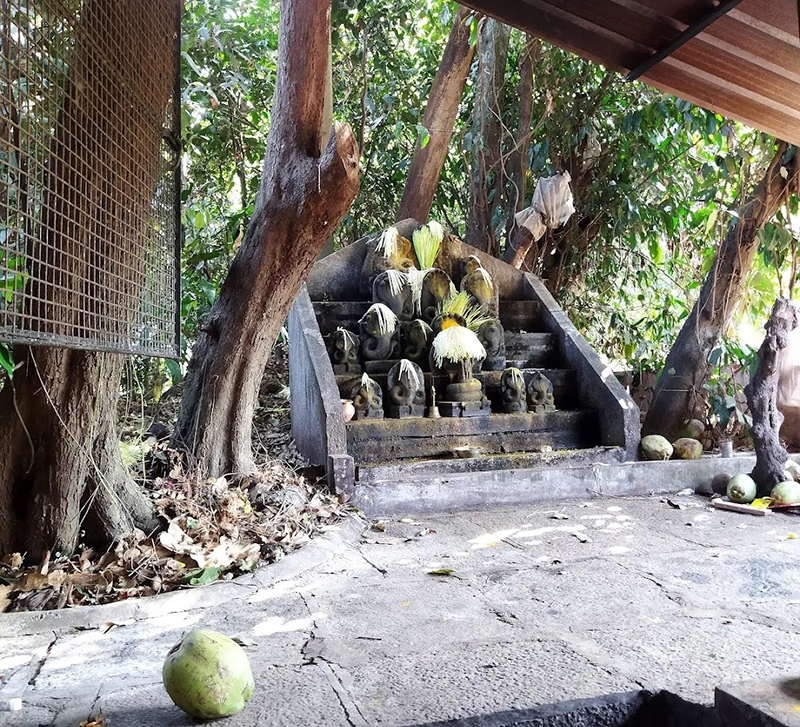
The Vasuki Subrahmanya Temple at Maangodu is universally recognized as a paramount Mukti Sthala for clearing these specific astrological blockages. The temple houses a sprawling, lush Naga Bana (sacred serpent grove) at its rear side, home to hundreds of ancient stone serpent carvings (Naga Kallu) resting beneath giant, sacred trees.
Worshipping here is believed to pacify planetary afflictions caused by Rahu and Ketu, replacing negative anxieties with absolute peace, clarity, and good health.
Detailed Temple Timings and Daily Rituals
The daily programs inside the Maangodu temple are carried out with strict adherence to traditional Vedic systems:
Morning Hours: 7:00 AM to 12:30 PM
Evening Hours: 4:30 PM to 7:30 PM
(Please note: On special festive occasions like Shasti or during the monsoon months of Ashadha, the afternoon timings extend significantly to accommodate the heavy rush of pilgrims).
The Ritual Sequence
Every morning, the priests perform the sacred Nirmalya Visarjana (removing yesterday’s flowers), followed by an elaborate Abhishekha (holy bath ritual) using tender coconut water, cold milk, and turmeric paste.
The deity is then decorated beautifully with local jasmine flowers (Udupi Mallige) and fresh red hibiscus. The daily morning rituals conclude with the grand Mahamangalarati at 12:00 PM, after which sacred holy water (Theertha) and prasadam are distributed to lines of waiting devotees.
Highly Powerful Poojas Performed at the Temple
Devotees travel from far and wide to book specific sevas at Maangodu. The most sought-after spiritual rituals include:
- Ashlesha Bali Pooja
This is arguably the most essential ritual performed here for mitigating the negative effects of Sarpa Dosha. Conducted on the specific day of the Ashlesha Nakshatra (star constellation) every month, it involves drawing a beautiful, large geometric mandala using multi-colored natural powders. The priest offers systematic prayers to the various serpent deities, bringing immense relief to those facing marital delays or health hurdles. - Naga Pratishta
For families wishing to counter long-standing ancestral blockages, the Naga Pratishta seva is performed. Under the guidance of the head priest, a new stone serpent idol (Naga Bimba) is systematically consecrated, given an intense spiritual life-force, and placed reverently within the sacred boundaries of the temple’s outer Nagabana. - Tanu Pingala Seva
A simple yet deeply effective daily ritual where a mixture of fresh cow’s milk and cooling turmeric powder (Kshira Abhisheka) is poured directly over the serpent idols. It is the most common seva performed by students before exams or individuals seeking immediate relief from recurring stress or nightmares involving snakes.
The Spectacular Annual Festival Calendar
Subrahmanya Shasti (November/December): This is the crowning festival of the Maangodu temple, celebrated on the sixth day of the bright fortnight in the Hindu month of Margashirsha. The entire Kuthpady area assumes a carnival-like atmosphere. The temple is lit with thousands of traditional clay oil lamps, and a grand chariot procession takes place. Devotees observe strict fasts and walk long distances barefoot to catch a single glimpse of the decorated deity on this day.
Nagara Panchami (July/August): Held during the holy monsoon month of Shravana, this day sees thousands of local women visiting the temple to pour milk over the snake stones in the Nagabana, praying for the longevity and health of their husbands and children.
Exhaustive Distance and Travel Access
Kuthpady is uniquely located right near Udyavara, making it exceptionally easy to reach via multiple transportation modes. Here is the exact travel routing data from primary Indian metropolises:
| From City | Distance | Optimal Travel Routes & Commute Options |
| Mangalore | 50 km | By Road: A smooth 1 hour drive along NH-66 north. You can catch any express bus heading from Mangalore to Udupi, hop off at the Udyavara/Kuthpady junction, and take a 3-minute auto-rickshaw straight to the temple. |
| Bangalore | 400 km | By Air: Fly into Mangaluru International Airport (IXE), then hire a direct cab. By Rail: Board the overnight Panchaganga Express or Karwar Express from Majestic, getting down directly at the Udupi Railway Station. |
| Cochin | 460 km | By Train: Take any direct train operating along the Konkan line (like the Netravati Express) from Ernakulam Central straight to Udupi station. From Udupi station, the temple is an easy 15 minute taxi ride. |
| Thiruvananthapuram | 670 km | By Rail / Air: The most efficient option is taking a flight to Mangalore via Bangalore, or boarding a direct long distance Konkan train from Trivandrum Central straight to Udupi. |
| Chennai | 750 km | By Air: Catch a direct 1 hour flight from Chennai to Mangalore. Alternatively, drive via the scenic Bangalore Hassan national highway route. |
| Mumbai | 920 km | By Rail: Board the iconic Matsyagandha Express from Lokmanya Tilak Terminus (LTT) or the Mangala Lakshadweep Express. Alight at Udupi station. The journey takes around 14 scenic hours along the coast. |
Scenic Tourist Places to Visit Near Kuthpady
You can comfortably combine your spiritual visit to Maangodu with these incredible nearby geographical attractions:
Udyavara Padukere Beach (3.5 km away): A breathtaking, pristine strip of golden sand beach located very close to the temple. It features a spectacular coastal drive where you have a serene river backwater flowing on your right and the crashing waves of the Arabian Sea on your left.
Udupi Sri Krishna Math (4.5 km away): The world-renowned 13th-century Krishna temple founded by Sri Madhvacharya. No trip to the district is complete without seeking blessings through its famous nine-holed silver window.
Kannarpady Jayadurgaparameshwari Temple (1.5 km away): A highly powerful, ancient shrine dedicated to Goddess Durga, located just a few minutes down the road from Kuthpady.
Malpe Beach & St. Mary’s Island (8 km away): A buzzing beach hub famous for water sports, beachside shacks, and ferry rides out to the famous hexagonal volcanic basaltic rock formations of St. Mary’s Island.
Contact and Communication Details
For checking specific dates for Ashlesha Bali, organizing mass offerings, or inquiring about seasonal temple timings, pilgrims can connect directly via the following channels:
Address:
Office of the Managing Trustee,
Vasuki Subrahmanya Temple Maangodu,
Kuthpady, Udyavara, Udupi District,
Karnataka – 574118, India.
Location Practicality: Located very close to the standard Udupi-Kuthpady transit routes, making auto-rickshaws easily available from anywhere in Udupi town.
Plan your journey to the historic, 9th-century Vasuki Subrahmanya Temple at Maangodu to experience true mental peace, rid yourself of planetary afflictions, and immerse your soul in the deep, mystical traditions of coastal India!