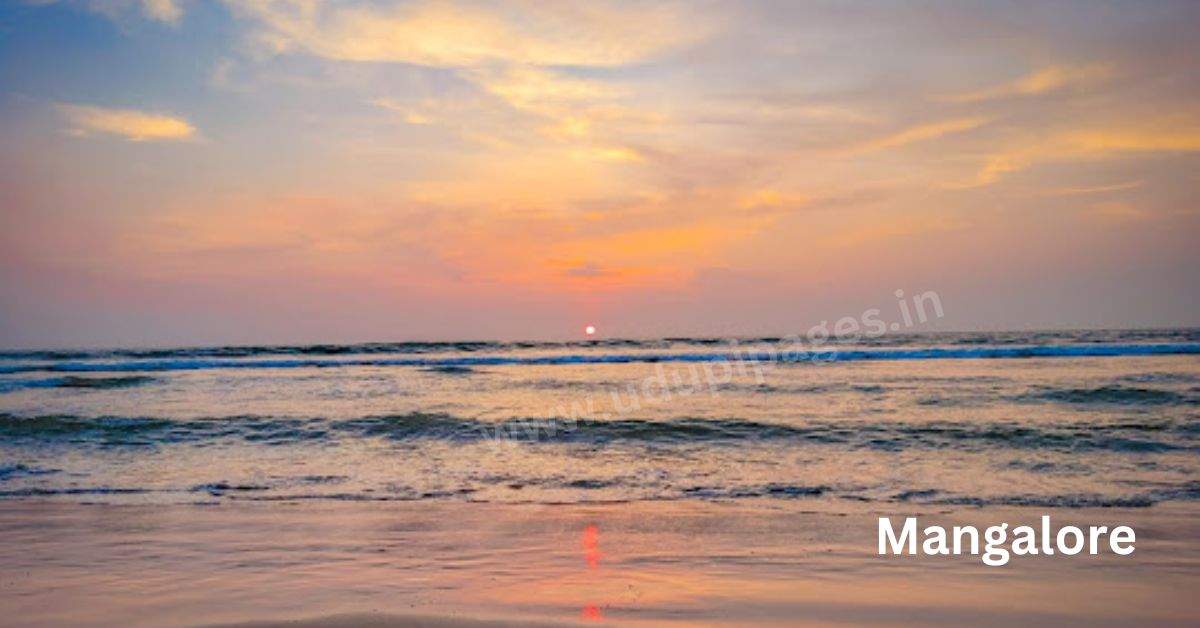
Mangalore is a long stretch of beautiful green land at the South western part of the Indian peninsula. The word ‘Mangalore’ means auspicious place. ‘Mangala’ (Sanskrit) means happiness auspicious, ‘Uuru’ the end suffix means ‘place’. ‘Mangalore’ is the Portuguese corruption of the word ‘Mangaluru’ or’ Mangalapura’. But the natives identify this place as ‘Kudla’ or Kodial meaning the joining of two rivers. (‘kuudu’ means to join and ‘ala’ refers for water/river).
Traveler Ibn Batuta records that the word is dated as 1342 A.D. He mentioned this as he arrived at a place named Manjarun or Mandjaur (Mangalore), which is situated on a large estuary of the sea, called the “estuary of the wolf” and which is the greatest estuary in the country of Malabar. After Ibn Batuta we have no recordings about Mangalore. In the 15th century Abdul Razzak, the Persian Ambassador passed via this route on his way to Viayanagar. Moodabidri inscription gives the king’s name as Mangaras Odyeya dated 1390 as the governor of Mangaluura Raajya during the reign of Vira Hariharaya II of Vijayanagar. Another record mentions that Deeva Raaja Odeya ruled the Mangaluura raajya in 1429 A.D. during the reign of Vijayanagara King Veera Devaraaya II.
From the beginning of Christian era till the arrival of Portuguese, Mangalore region was under the rule of Kadambas, the Western Chalukyas, the Alup Rajas, the Rashtrkuutas and the Hoysalas. The name ‘Mangalore’ could be traced in two records. Under the sovereign of Alupa King Banki Deeva Alupendra (1304 A.D.) gives a gift of land and another record at Manjunatha temple at ‘Kadri’ inscription also give the word ‘Mangalore’.
Mangalore being the District Headquarters is now a city bustling with trade and commerce. St. Aloysius college at Mangalore is famous for a chapel with beautiful paintings by classical Italian artistes.
Mangalore is well connected with the country by air, rail and road. The stretch between Mangalore and Udupi can be covered in an hour by bus. There is also train facility to Udupi. The New Mangalore Harbour with the iron ore projects, and iron pellet processing plant can be seen at New Harbour. For sight seeing and picnic one can go to the picturesque Ullal beach just 10 Kms from the heart of Mangalore city. ‘Summer Sands’ a beach resort with beach side restaurant and cottage in native styles attracts tourists.
The Mangalore University is situated about 12 Kms to the South east of Mangalore on a picturesque range hills sheltering lush green areca and coconut plantation down the valleys. On the Mangalore-Ullal Road lies the famous Fisheries College. The Regional Engineering College is situated in Surathkal on the Mangalore-Udupi Highway about 20 kms north from the city of Mangalore. Mangalore is centre for many educational institutions. The well known Kasturba Medical College is in the heart of the city.
Places to Visit in Mangalore
1. Beaches:
- Panambur Beach: One of Mangalore’s most popular beaches, Panambur is known for its cleanliness, well-maintained facilities, and stunning sunsets. It hosts the annual kite festival and offers various activities like jet skiing, boating, and horse riding.
- Tannirbavi Beach: Accessible by road or ferry, Tannirbavi is famous for its serene atmosphere, golden sands, and the Tannirbavi Tree Park, which provides a green canopy along the shore. The beach also features sunset views and is a great spot for a relaxed evening.
- Someshwara Beach: Located at the foothills of the Someshwara Temple, this beach is known for its unique rock formations called “Rudra Shile.” It’s a quieter beach, ideal for peaceful walks and enjoying the scenic beauty. However, swimming can be risky due to strong currents.
- Surathkal Beach: Situated near the National Institute of Technology Karnataka (NITK), Surathkal Beach is characterized by its lighthouse, which offers panoramic views of the coastline. The beach is relatively less crowded and provides a tranquil escape.
- Sasihithlu Beach: Located at the confluence of the Nandini River and the Arabian Sea, Sasihithlu is gaining popularity for its scenic beauty and surfing opportunities. The area has a rustic charm and is less commercialized compared to some other beaches.
- Ullal Beach: Known for its historical significance and scenic beauty.
2. Temples:
- Mangaladevi Temple: Dedicated to the city’s namesake deity, Goddess Mangaladevi, this 9th-century temple is one of Mangalore’s most important religious sites. It attracts devotees from all over the region and is known for its traditional architecture and vibrant festivals.
- Kadri Manjunatha Temple: An ancient temple dedicated to Lord Manjunatha (Shiva), the Kadri Temple is known for its historical significance and the natural spring within the temple complex. It features a unique blend of Buddhist and Hindu architectural styles.
- Kukke Subrahmanya Temple: While located about 100 km from Mangalore, this temple dedicated to Lord Subrahmanya (Kartikeya) is a major pilgrimage site and often visited by those traveling in the region. It’s known for its beautiful location amidst the Western Ghats.
- Dharmasthala Manjunatha Swamy Temple: About 75 km from Mangalore, Dharmasthala is a renowned temple town known for its charitable institutions and the Manjunatha Swamy Temple. The temple is unique for its tradition of appointing a Jain Heggade to administer the temple, even though the deity is Lord Shiva.
- Shoranatha Temple: Located in Ullal.
- Sharavu Mahaganapathi Temple: Dedicated to Lord Ganesha.
- Sasihithlu Umamaheshwara Temple: Located near Sasihithlu Beach.
- Polali Rajarajeshwari Temple: An ancient temple located in Polali, known for its intricate wooden carvings.
- Kateel Shree Durga Parameshwari Temple: Dedicated to Goddess Durga Parameshwari.
3. Churches:
- St. Aloysius Chapel: Famous for its stunning interior featuring intricate frescoes painted by Italian artist Antonio Moscheni in the late 19th century. The chapel is a masterpiece of art and architecture and a major attraction in Mangalore.
- Milagres Church: One of the oldest churches in Mangalore, the Milagres Church has a rich history dating back to the 17th century. Its beautiful architecture and serene atmosphere make it a significant religious and historical site.
4. Other Attractions:
- Sultan Battery: A historic watchtower built by Tipu Sultan in the 18th century to prevent naval attacks. Though partially in ruins, it offers panoramic views of the Arabian Sea and the Gurupura River.
- Pilakula Nisargadhama: A sprawling nature park with a biological park, a golf course, an artisan village, and a cultural center. It’s a great place for a family outing and to experience the region’s natural and cultural heritage.
- Kudroli Gokarnatha Temple: A relatively recent temple dedicated to Lord Gokarnatha (Shiva), known for its modern architecture and vibrant celebrations, especially during the Mangalore Dasara.
- Bejai Museum: Showcases a variety of artifacts, including sculptures, coins, and archaeological finds, offering insights into the region’s history and culture.
- Central Market: A bustling market where you can experience the local life and find a variety of goods, from spices and seafood to flowers and handicrafts.
Water Adventure in Mangalore
Mangalore’s coastal location and rivers provide opportunities for various water adventure activities:
- Jet Skiing: Available at beaches like Panambur, offering thrilling rides on the waves.
- Boating: Options include speed boat rides, banana boat rides, and catamaran rides, particularly at Panambur and Tannirbavi beaches.
- Surfing: Sasihithlu Beach is gaining popularity as a surfing destination, with surf clubs offering lessons and equipment rentals.
- Kayaking: You can explore the backwaters and rivers around Mangalore by kayak, enjoying the scenic beauty and tranquility.
- Parasailing: Offered at Panambur Beach, providing a bird’s-eye view of the coastline.
- River Rafting: While not directly in Mangalore, the nearby rivers like the Sita River offer white-water rafting experiences, especially during the monsoon.
- Scuba Diving and Snorkeling: The waters off the Mangalore coast offer opportunities for scuba diving and snorkeling, though it’s less developed compared to some other coastal regions.