What is Kambala?
The Traditional Buffalo Race Festival of Coastal Karnataka
Experience the Spirit of Kambala in Udupi & Mangalore
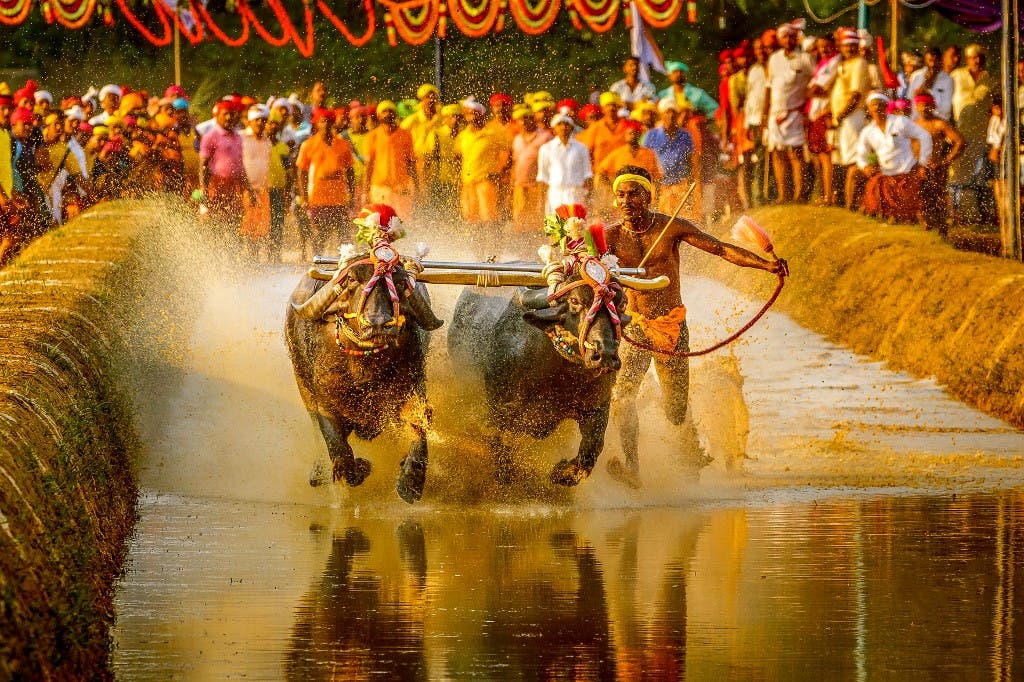
Kambala is one of the most iconic traditional sporting events of Coastal Karnataka, celebrated mainly in the districts of Udupi and Dakshina Kannada (Mangalore). More than just a buffalo race, Kambala is a vibrant cultural festival that reflects the rich agricultural heritage, community spirit, and centuries old traditions of Tulu Nadu.
Every year during the post monsoon season, thousands of spectators, photographers, and tourists gather to witness this thrilling event. Powerful pairs of specially trained buffaloes race through water filled paddy fields while skilled jockeys guide them at remarkable speeds, creating dramatic splashes of mud and water that make Kambala one of India’s most exciting traditional sports.
Whether you are a traveler, photographer, cultural enthusiast, or sports lover, attending a Kambala event offers an unforgettable glimpse into the living traditions of Coastal Karnataka.
[ Check the dates of Kambala in Udupi & Mangalore ]
A Traditional Buffalo Race with Deep Cultural Roots
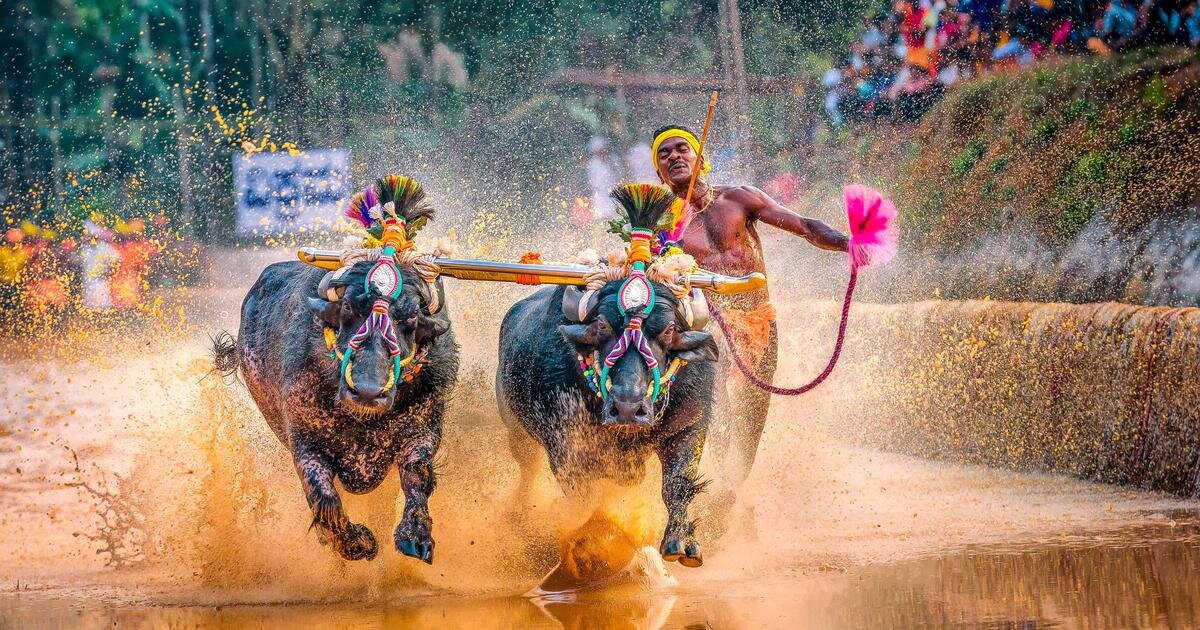
Kambala is a traditional buffalo race held on specially prepared muddy paddy fields after the rice harvest. In each race, a pair of buffaloes runs through a waterlogged track while a jockey, known locally as a Kambala runner, controls and guides them from behind.
The race is a test of:
- Speed
- Strength
- Coordination
- Skill of the buffalo pair
- Expertise of the jockey
Unlike modern racing events, Kambala is deeply connected to the agricultural lifestyle of rural Karnataka. The buffaloes are not ordinary animals; they are carefully bred, trained, and looked after throughout the year by their owners.
Kambala and Karnataka’s Agricultural Heritage
For generations, buffaloes have played a vital role in farming across Coastal Karnataka. Before the widespread use of tractors and modern machinery, they were essential for ploughing paddy fields and supporting agricultural activities.
Kambala evolved as a way for farming communities to celebrate:
- A successful harvest
- The strength and health of their buffaloes
- Traditional farming practices
- Respect for animals that contributed to agriculture
- Village unity and prosperity
Today, although farming methods have changed, Kambala continues to preserve this valuable agricultural heritage and reminds younger generations of the region’s farming traditions.
More Than a Race A Community Celebration
Kambala is not just a sporting competition it is one of the biggest community festivals in Tulu Nadu (Land of people who speak language Tulu).
Entire villages come together to organize the event, with months of planning involving local committees, volunteers, buffalo owners, and residents. Families, visitors, and tourists gather to enjoy the festive atmosphere, traditional food, cultural performances, and the excitement of the races.
The festival is marked by:
- Traditional music and drum performances
- Local cuisine and food stalls
- Cultural programs
- Village gatherings
- Community participation
- Family friendly celebrations
For many locals, Kambala is a celebration of identity, tradition, and togetherness.
The Thrill of Mud Track Racing
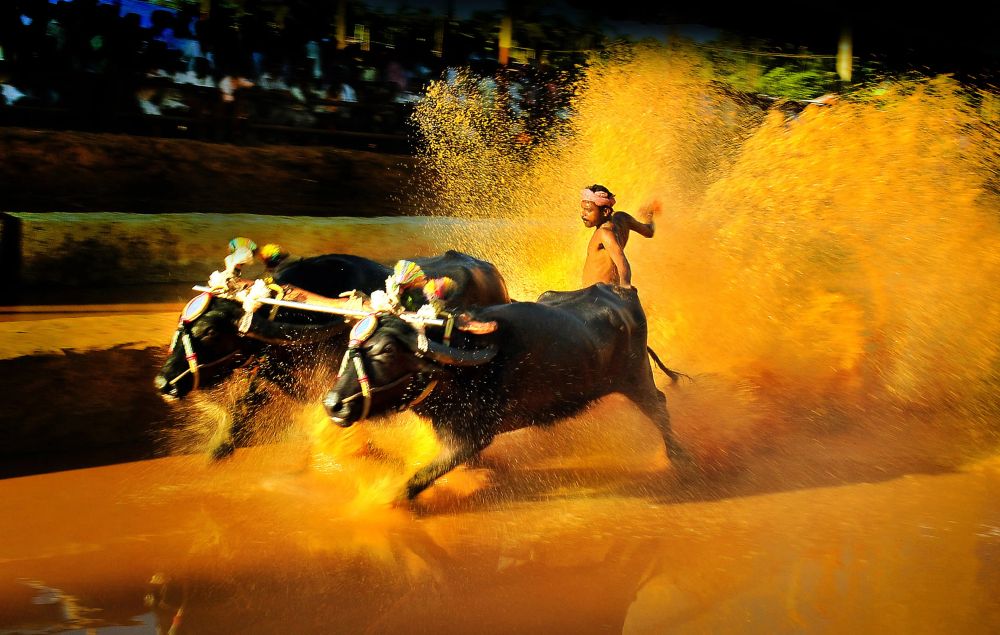
One of the most exciting aspects of Kambala is its unique mud track racing.
The races take place on specially prepared paddy fields filled with water, creating a smooth, slushy surface. As the buffaloes sprint down the track, they kick up spectacular sprays of water and mud, producing breath taking scenes that attract photographers and visitors from across India and abroad.
Modern Kambala events are professionally organized with:
- Clearly marked race tracks
- Electronic timing systems
- Safety measures for participants and spectators
- Dedicated viewing areas
- Night races under floodlights at many venues
The combination of speed, skill, and dramatic water splashes makes every race an unforgettable experience.
A Strong Connection with Farmers
Kambala remains closely linked to the farming communities of Coastal Karnataka.
For buffalo owners, participating in Kambala is a matter of pride and tradition. Many families have been raising racing buffaloes for generations, passing down their knowledge of training, nutrition, and animal care.
Owners dedicate significant time and effort to maintaining the health and fitness of their buffaloes through:
- Balanced nutrition
- Regular exercise
- Daily grooming
- Veterinary care
- Special training routines
The bond between farmers and their buffaloes reflects the deep respect for animals that has long been a part of rural life in Tulu Nadu.
Cultural Pride of Coastal Karnataka
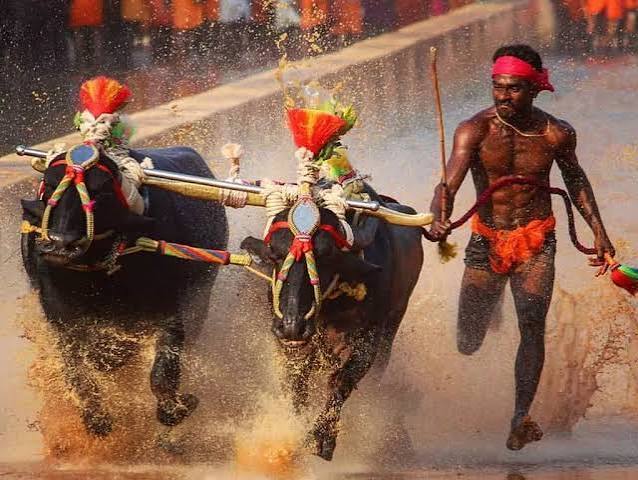
Kambala has become one of the strongest symbols of Tulu Nadu’s cultural identity. It represents the traditions, values, and heritage of the people of Udupi and Dakshina Kannada and continues to inspire pride among local communities.
Today, Kambala attracts:
- Domestic tourists
- International visitors
- Travel photographers
- Documentary filmmakers
- Cultural researchers
- Students of traditional sports
The festival showcases the unique customs of Coastal Karnataka while helping preserve centuries old traditions for future generations.
Visitors attending Kambala not only witness an exhilarating sporting event but also experience the warmth of local hospitality, traditional cuisine, and the vibrant culture that makes Udupi and Mangalore among Karnataka’s most fascinating destinations.
Why You Should Experience Kambala
A visit to Kambala offers much more than watching a race. It is an opportunity to:
- Experience one of India’s oldest traditional sporting events
- Learn about the agricultural heritage of Coastal Karnataka
- Witness the incredible speed and skill of racing buffaloes
- Capture spectacular action photographs
- Enjoy authentic Tulu Nadu culture and local food
- Explore nearby attractions in Udupi and Mangalore
If you’re planning a trip to Coastal Karnataka between November and March, attending a Kambala event should be at the top of your travel itinerary. It is a unique cultural experience that beautifully blends tradition, community, and the enduring spirit of rural Karnataka.
History of Kambala: A Living Heritage of Tulu Nadu
Kambala is more than an exciting buffalo race it is a centuries old tradition that reflects the history, agricultural heritage, and cultural identity of the people of Tulu Nadu, covering present day Udupi and Dakshina Kannada (Mangalore) districts in Karnataka. Over the years, Kambala has evolved from a village farming celebration into one of India’s most recognized traditional sporting events while preserving its deep rooted connection to rural life.
Ancient Origins of Kambala
The origins of Kambala are believed to date back more than 1,000 years, although the exact period is not documented in historical records. Local traditions and folklore suggest that the festival began as a celebration of agriculture after the paddy harvest.
In the early days, farmers organized friendly buffalo races in water filled paddy fields to showcase the strength, speed, and endurance of their animals. These races gradually became annual community events that attracted neighboring villages.
For generations, Kambala has been passed down through oral traditions, making it an important part of the cultural history of Coastal Karnataka.
Evolution Over the Centuries
What started as informal village races gradually evolved into well organized competitions.
In earlier times, Kambala was primarily a local celebration where farmers raced their own buffaloes for prestige rather than monetary rewards. As the popularity of the event grew, villages began inviting participants from surrounding regions, increasing both competition and public interest.
Despite these modern improvements, the festival continues to preserve its traditional format and rural charm.
Royal Patronage and Local Leadership
Historically, several local rulers, landlords, and influential families supported Kambala events in their regions. Their patronage helped preserve the tradition by providing land, organizing festivals, and encouraging participation among farming communities.
Village leaders and community organizations also played an important role in maintaining the festival. They ensured that Kambala remained a celebration of local culture, agriculture, and social harmony.
Even today, many Kambala events are organized with the support of local trusts, village committees, and community associations, reflecting the collective effort of the people of Tulu Nadu.
Deep Roots in Farming Traditions
Agriculture has always been the foundation of Kambala.
Before modern farming equipment became common, buffaloes were essential for ploughing paddy fields in the coastal districts of Karnataka. Farmers depended on these strong animals throughout the cultivation season.
Kambala became a way to:
- Celebrate the successful harvest
- Honour hardworking buffaloes
- Showcase the best trained animals
- Encourage healthy breeding practices
- Strengthen relationships among farming families
Even though mechanized farming has become widespread, Kambala continues to preserve these agricultural traditions and reminds younger generations of the vital role buffaloes once played in everyday farming.
Religious Beliefs and Traditional Faith
Kambala is closely associated with the spiritual traditions of Tulu Nadu.
Many villages conduct prayers and rituals before the races, seeking blessings for a safe event, good harvests, healthy buffaloes, and prosperity for the community. At several venues, participants offer prayers at nearby temples or local shrines before the buffaloes enter the race track.
Traditional customs often include:
- Worship of village deities
- Blessing of buffaloes
- Ceremonial opening rituals
- Community prayers
- Offerings for prosperity and agricultural success
While practices vary from village to village, these rituals highlight the strong relationship between faith, agriculture, and community life in Coastal Karnataka.
Modern Organized Competitions
Today, Kambala is conducted under the guidance of recognized organizing committees and follows structured competition formats.
Modern Kambala events include:
- Scheduled racing calendars
- Standardized race categories
- Electronic timing systems
- Veterinary supervision for participating buffaloes
- Safety measures for jockeys and spectators
- Organized prize distributions
These developments have helped Kambala gain recognition beyond Karnataka, attracting tourists, photographers, researchers, and media from across India and around the world.
Modern organization has allowed the festival to grow while preserving the traditions that make Kambala unique.
Cultural Importance of Kambala
Kambala is one of the strongest symbols of the cultural identity of Tulu Nadu. Beyond the excitement of the races, it represents the values, traditions, and social life of the people of Coastal Karnataka. For many communities in Udupi and Mangalore, Kambala is an annual celebration of heritage, unity, and gratitude.
A Celebration of Tulu Culture
Kambala reflects the rich traditions of the Tulu speaking communities of Coastal Karnataka.
The festival showcases the region’s unique customs, language, hospitality, and rural lifestyle. It is often celebrated alongside other cultural traditions, making it an important event in the cultural calendar of Tulu Nadu.
Visitors attending Kambala experience:
- Traditional attire
- Local cuisine
- Folk performances
- Regional customs
- Warm village hospitality
This makes Kambala an excellent opportunity for tourists to understand the living heritage of Coastal Karnataka.
Honouring the Farming Community
For generations, farmers have been at the heart of Kambala.
The festival recognizes the dedication of agricultural families who cared for their buffaloes throughout the year. Participating in Kambala is considered a matter of honour, with many families continuing traditions that have been passed down over several generations.
The event celebrates:
- Hard work in agriculture
- Respect for livestock
- Sustainable rural traditions
- Family heritage
- Community pride
Village Festivals that Bring Everyone Together
Kambala transforms villages into lively festival grounds.
People from nearby towns and villages gather to watch the races, support participants, and celebrate together. Temporary food stalls, local markets, children’s activities, and cultural performances create a festive atmosphere that appeals to visitors of all ages.
The festival encourages interaction between local residents and tourists, helping preserve traditions while introducing them to a wider audience.
Strengthening Community Bonds
One of the greatest strengths of Kambala is its ability to unite people.
Preparing for the festival involves months of teamwork among villagers, organizers, buffalo owners, volunteers, and local businesses. This collective effort strengthens relationships within the community and reinforces a shared sense of identity.
The festival also supports local livelihoods by creating opportunities for food vendors, artisans, transport providers, and accommodation businesses during the Kambala season.
Rituals Before the Race
Before the competitions begin, many villages observe traditional ceremonies rooted in local customs.
Depending on the venue, these may include:
- Prayers at nearby temples or shrines
- Blessings for buffaloes and jockeys
- Ceremonial inauguration of the race track
- Traditional offerings for prosperity
- Community prayers for a successful event
These rituals emphasize respect for nature, agriculture, and the animals that play a central role in the festival.
Preserving Local Customs for Future Generations
Kambala continues to serve as a bridge between the past and the present.
By celebrating traditional farming practices, village customs, local arts, and community participation, the festival helps preserve the cultural identity of Tulu Nadu in a rapidly changing world. Younger generations actively participate as volunteers, organizers, athletes, and spectators, ensuring that this unique heritage continues to thrive.
Today, Kambala stands as a proud symbol of Coastal Karnataka where history, agriculture, faith, and community come together in a spectacular celebration that attracts visitors from across India and beyond.
How Kambala is Conducted From Preparation to the Final Race
Kambala is a spectacular combination of tradition, skill, athleticism, and teamwork. While spectators witness only a few thrilling seconds of buffaloes sprinting through muddy paddy fields, months of careful preparation go into every race. From training the buffaloes to preparing the race track and organizing the competition, every aspect of Kambala reflects the rich cultural and agricultural heritage of Udupi and Dakshina Kannada (Mangalore).
Modern Kambala competitions continue to preserve traditional practices while incorporating organized event management, electronic timing systems, and safety measures for participants and spectators.
Preparation for Kambala
The success of every Kambala event depends on extensive preparation by buffalo owners, organizers, and local communities. Preparations typically begin several months before the racing season.
Buffalo Training
The racing buffaloes are the true stars of Kambala. They are specially selected, carefully trained, and maintained throughout the year to compete in the races.
Unlike ordinary farm buffaloes, Kambala buffaloes follow a dedicated fitness routine that focuses on speed, stamina, and coordination. Owners invest significant time, effort, and resources to ensure their buffaloes remain in excellent physical condition.
Training generally includes:
- Daily exercise and running practice
- Swimming sessions to improve endurance
- Walking and sprint drills
- Strength building workouts
- Regular grooming and cleaning
- Veterinary health check ups
- Balanced nutrition and hydration
Many owners consider their buffaloes as members of the family and provide year round care to keep them healthy and race-ready.
Track Preparation
The race is conducted on a specially prepared muddy paddy field known as the Kambala track.
Several days before the event, organizers prepare the field by:
- Leveling the paddy field
- Filling the track with water
- Creating a smooth layer of mud
- Ensuring uniform depth across the track
- Marking the start and finish lines
- Installing safety barriers
- Preparing spectator viewing areas
The muddy surface plays an important role in Kambala, allowing buffaloes to run at high speed while creating the dramatic water splashes that make the event famous.
Many venues also install floodlights for night races, seating arrangements, electronic timing systems, media platforms, and emergency medical facilities.
Team Registration
Before the competition begins, participating buffalo owners register their teams with the event organizers.
The registration process generally includes:
- Verification of the buffalo pair
- Registration of the owner
- Registration of the jockey (runner)
- Assignment of race categories
- Veterinary inspection of participating buffaloes
- Confirmation of race schedule
Each buffalo pair is assigned to compete in specific categories based on the competition rules established by the organizers.
Kambala Race Format
The excitement of Kambala comes from the combination of speed, teamwork, and precise coordination between the buffaloes and their rider. Although each race lasts only a few seconds, it demands exceptional skill and preparation.
Pair of Buffaloes
Every race features two buffaloes running together as a pair.
The animals are connected using a traditional wooden yoke, allowing them to move in perfect synchronization. Selecting compatible buffaloes is essential, as they must maintain balance, rhythm, and speed throughout the race.
Owners spend months training the pair to work together, ensuring they respond quickly to the jockey’s commands.
The Rider (Jockey)
The person guiding the buffaloes is known as the Kambala jockey or runner.
The jockey runs behind the buffaloes while holding onto the wooden frame or harness attached to them. This requires exceptional physical fitness, balance, concentration, and experience.
The jockey must:
- Maintain control of both buffaloes
- Keep pace with the sprint
- Guide the pair in a straight line
- React quickly to changes during the race
- Cross the finish line safely
Running through deep mud at high speed behind powerful buffaloes is considered one of the most challenging aspects of Kambala.
The Mud Track
One of the defining features of Kambala is the water filled muddy race track.
The track is specially designed to provide:
- A smooth running surface
- Controlled water depth
- Safe conditions for buffaloes and jockeys
- Spectacular water splashes during the race
Depending on the venue, tracks may vary in length, but they are carefully maintained to provide equal conditions for all competitors.
As the buffaloes accelerate, they create dramatic sprays of mud and water that have become the signature image of Kambala.
The Famous Water Splash
The spectacular water splash is one of the biggest attractions of Kambala.
As the buffaloes race through the flooded track, their powerful movement sends water high into the air, creating breath taking scenes that attract photographers and visitors from around the world.
The height and intensity of the splash depend on:
- Speed of the buffaloes
- Strength of the pair
- Skill of the jockey
- Condition of the track
- Traditional race category
These dramatic moments have made Kambala one of India’s most photogenic traditional sporting events.
Finish Line
Every race begins with a synchronized start and ends at a clearly marked finish line.
The buffaloes must complete the race while maintaining speed, balance, and coordination. Judges and officials monitor each race to ensure it follows the competition rules.
The finishing time determines the performance of the team and their ranking within the competition.
Electronic Timing System
Modern Kambala competitions use advanced electronic timing systems to record race results with high accuracy.
These systems help:
- Measure race timings precisely
- Eliminate manual timing errors
- Ensure fair competition
- Produce official race records
- Improve transparency
Electronic timing has enhanced the professionalism of Kambala while preserving its traditional spirit.
Winning Criteria in Kambala
Different Kambala competitions may include multiple race categories, but winners are generally determined based on speed, performance, and traditional event rules.
Fastest Time
The primary objective in most Kambala races is to complete the course in the shortest possible time.
The buffalo pair and jockey who record the fastest official timing in their category are declared the winners.
Winning depends on:
- Speed of the buffaloes
- Coordination between the pair
- Skill of the jockey
- Smooth running on the muddy track
- Consistent performance from start to finish
Exceptional performances often become memorable highlights of the Kambala season.
Water Splash Category
Some traditional Kambala events also recognize performances based on the impressive water splash created during the race.
In these categories, the focus is not only on speed but also on the ability of the buffalo pair to generate a powerful spray of water while maintaining control and rhythm.
These races are especially popular among spectators and photographers because they create dramatic visual displays.
Traditional Race Categories
Over time, Kambala has developed several traditional racing formats. Depending on the organizing committee and local customs, competitions may feature different categories that emphasize speed, technique, or style.
Although the categories can vary between venues, they generally celebrate:
- Outstanding buffalo performance
- Excellent teamwork between buffaloes and jockey
- Traditional racing techniques
- Competitive spirit rooted in local customs
These categories ensure that Kambala remains both a sporting competition and a celebration of the region’s cultural heritage.
| Kambala in Udupi & Mangalore dates for 2026-27 | ||
| Date | Venue | Location |
| October 18, 2026 | Mysuru Kambala | |
| November 7, 2026 | Panapila Kambala | Location |
| November 14, 2026 | Sanur Kambala | |
| November 21, 2026 | Kodange Kambala | Location |
| November 28, 2026 | Kakkepadavu Kambala | |
| December 5, 2026 | Hokkadigoli Kambala | Location |
| December 6, 2026 | Ballamanja Kambala | Location |
| December 12, 2026 | Baradibidu Kambala | Location |
| December 19, 2026 | Mangaluru Kambala | Location |
| December 26, 2026 | Mulki Kambala | Location |
| January 2, 2027 | Miyaru Kambala | Location |
| January 9, 2027 | Naringana Kambala | Location |
| January 16, 2027 | Adve Kambala | Location |
| January 23, 2027 | Moodbidri Kambala | Location |
| January 30, 2027 | Puttur Kambala | Location |
| February 6, 2027 | Aikala Kambala | Location |
| February 13, 2027 | Jeppu Kambala | Location |
| February 20, 2027 | Vamanjoor Kambala | Location |
| February 27, 2027 | Ermal Kambala | Location |
| March 6, 2027 | Bantwal Kambala | Location |
| March 13, 2027 | Bangadi Kambala | Location |
| March 20, 2027 | Venuru Kambala | |
| March 27, 2027 | Uppinangady Kambala | Location |
| April 3, 2027 | Gurupura Kambala | Location |
| April 10, 2027 | Balkunje Kambala | Location |
| April 17, 2027 | Harekal Kambala | Location |
| April 24, 2027 | 80 Badagabettu Kambala | |
| May 1, 2027 | Kadandale Kambala | Location |
To get more information regarding kambala- kindly
contact the following co-ordiantor
K.Gunapala Kadamba M.A.,
Mudabidri – 574 227
Dakshina Kannad District Karnataka, India
Phone: +91 0825-8237117 0825- 283283
Mobile +91 0 98451 12015
Compiled By: S. A. Krishnaiah
mmusica@sancharnet.in musica_2005@dataone.in